Commercial Kitchen HVAC Design: A Practical Guide | ProCalcs

Achieving comfortable indoor temperatures within commercial kitchens can prove challenging due to the intense heat generated by cooking equipment. Proper commercial kitchen HVAC design has a direct impact on operational efficiency, employee comfort, and overall food safety standards.
An effective HVAC system manages heat, humidity, and air contaminants, creating a productive and safe working environment for all personnel. Understanding the fundamental elements of kitchen ventilation is crucial for achieving successful long-term performance and minimizing energy consumption. Discover how to optimize your kitchen’s climate control.
Assess Kitchen Layout for Optimal Airflow Distribution
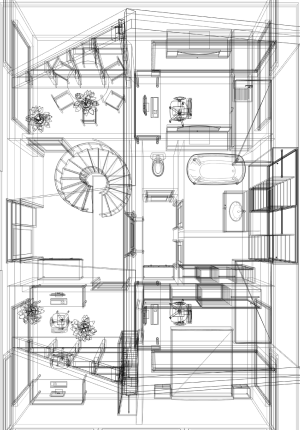
Careful consideration of the kitchen layout significantly impacts the effectiveness of any HVAC system installed within the space. A strategic arrangement of cooking stations, prep areas, and dishwashing zones facilitates better air movement throughout the entire kitchen environment.
Obstructions can disrupt airflow patterns, leading to hot spots or stagnant air pockets that diminish comfort and air quality for kitchen staff members. Proper layout planning also assists in placing exhaust hoods and supply diffusers in ideal positions for maximum efficiency.
Calculate Heat Load to Determine HVAC Capacity Needs
Accurately calculating the heat load generated within a commercial kitchen remains paramount for selecting an appropriately sized HVAC system. Every piece of cooking equipment, from ovens to fryers, contributes significantly to the indoor atmosphere’s heat.
Factors such as the number of occupants, lighting, and outside air temperatures also influence the total heat gain that requires removal from the space. Undersized systems struggle to maintain desired temperatures, while oversized units waste energy and create uncomfortable drafts.
Install High-Quality Exhaust Hoods for Smoke Removal
High-quality exhaust hoods play a fundamental role in maintaining air quality by effectively removing smoke, steam, grease, and cooking odors. These hoods capture airborne contaminants at their source, preventing them from spreading throughout the kitchen and adjoining dining areas.
Proper hood design includes adequate capture velocities and sufficient exhaust rates to handle the specific demands of the cooking equipment underneath. Regular cleaning and maintenance of exhaust hoods ensure continued efficient operation and compliance with fire safety regulations.
Balance Makeup Air to Maintain Proper Ventilation
Balancing makeup air with exhaust air prevents negative pressure within a commercial kitchen, which can cause issues such as inefficient hood performance and uncomfortable drafts. Makeup air systems introduce fresh, conditioned outdoor air to replace the air exhausted by the hood system.
Failure to provide adequate makeup air leads to doors that become difficult to open and a constant influx of unconditioned air through cracks and openings. Proper makeup air balancing maintains a neutral pressure, ensuring comfortable conditions and efficient ventilation.
Use Energy-Efficient Equipment to Reduce Operating Costs
Selecting energy-efficient HVAC equipment significantly lowers long-term operating costs and reduces the environmental impact of a commercial kitchen. Modern HVAC units incorporate advanced technologies, such as variable-speed motors and intelligent controls, that optimize performance based on actual demand.
Investing in higher-efficiency models initially often results in substantial savings on energy bills over the equipment’s lifespan. Energy-efficient choices also contribute to a more sustainable operation and a better public image.
Ensure Proper Ductwork Design to Minimize Air Resistance
Careful ductwork design minimizes air resistance, ensuring efficient airflow and optimal performance from the HVAC system. Undersized or poorly routed ducts create excessive pressure drops, forcing the fan to work harder and consume more energy.
Smooth transitions, gradual bends, and appropriately sized duct sections maintain consistent airflow velocity throughout the system. Proper duct sealing also prevents air leakage, which would otherwise reduce system efficiency and increase energy waste.
Implement Zoning Systems for Different Kitchen Sections
Implementing zoning systems enables independent temperature control in different sections of a commercial kitchen, thereby addressing varying comfort needs. Different cooking areas, prep spaces, and dishwashing zones often require distinct temperature settings due to varying heat loads and staff activity levels.
Zoning minimizes energy waste by conditioning only the areas that require cooling or heating at any given time. This approach enhances employee comfort while simultaneously reducing overall energy consumption.
Select Easy-to-Clean Filters for Better Air Quality
Selecting easy-to-clean filters for the HVAC system enhances indoor air quality and streamlines maintenance routines. Filters trap airborne particles, grease, and contaminants before they circulate throughout the kitchen and into the HVAC components. Regularly cleaning or replacing filters prevents the buildup of debris that restricts airflow and reduces system efficiency. Accessible filter designs encourage more frequent maintenance, ensuring the HVAC system operates cleanly and effectively.
Integrate Smart Controls for Automated Temperature Regulation
Integrating smart controls enables automated temperature regulation, enhancing the overall efficiency of a commercial kitchen’s HVAC system. These advanced control systems utilize sensors and programmable settings to adjust cooling and heating based on real-time conditions and operational schedules.
Smart controls minimize energy consumption by preventing unnecessary operation and optimizing system performance during peak and off-peak hours. Automation reduces the need for manual adjustments and improves consistent climate control.
Maintain Regular HVAC Inspections to Prevent Breakdowns
Regular HVAC inspections remain important for preventing unexpected breakdowns and extending the lifespan of the commercial kitchen’s climate control system. Scheduled maintenance enables technicians to identify and address minor issues before they escalate into major problems that require costly repairs.
Inspections include checking refrigerant levels, cleaning coils, inspecting electrical components, and lubricating moving parts. Proactive maintenance ensures reliable system operation and minimizes downtime during busy periods.
Choose Corrosion-Resistant Materials for Longevity
Selecting corrosion-resistant materials for HVAC components ensures the system’s longevity and durability within the harsh kitchen environment. The presence of grease, high humidity, and various chemicals can accelerate corrosion in standard materials over time.
Using materials like stainless steel or specialized coatings protects ductwork, exhaust hoods, and other components from degradation. Investing in resistant materials reduces the need for frequent replacements and costly repairs.
Optimize Exhaust Fan Speed Based on Cooking Demand
Optimizing exhaust fan speed based on actual cooking demand enhances energy efficiency and maintains a comfortable environment within the kitchen. Variable-speed exhaust fans adjust their operation according to the intensity of cooking activity, running at lower speeds during quiet periods and increasing speed during peak hours.
This dynamic control prevents unnecessary energy consumption when full ventilation is not required. Automated controls can sense cooking activity and adjust fan speeds accordingly.
Comply With Local Building Codes and Safety Standards
Compliance with local building codes and safety standards for commercial kitchen HVAC systems protects occupants and helps avoid potential legal issues. These regulations govern aspects like fire suppression, ventilation rates, ductwork materials, and electrical installations.
Adhering to these codes ensures the HVAC system operates safely and effectively, minimizing risks such as fire hazards and poor indoor air quality. Consulting with knowledgeable professionals guarantees that all relevant standards are met.
Install Grease Traps to Protect HVAC Components
Installing grease traps protects HVAC components from the accumulation of grease, which can impair performance and create fire hazards. Grease traps collect grease before it enters the ductwork and exhaust fan, preventing buildup on surfaces and reducing the risk of blockages.
Regular cleaning of grease traps remains important for their continued effectiveness. Protecting HVAC components from grease extends their operational life and maintains system efficiency.
Train Staff on Proper HVAC System Usage Practices
Training kitchen staff on proper HVAC system usage practices empowers them to contribute to energy efficiency and system longevity, ultimately enhancing the overall performance of the facility. Educating employees on how to operate controls, report issues, and understand basic ventilation principles helps optimize system performance.
Staff awareness can prevent misuse or neglect that might lead to inefficiencies or premature wear on components. Well-informed employees become active participants in maintaining an efficient and comfortable kitchen environment.
ProCalcs: Get Expert HVAC Design for Contractors and Architects Now!
Begin your next project with confidence! At ProCalcs, we specialize in designing superior HVAC systems for contractors and architects, ensuring optimal performance and energy efficiency. Our expert team offer precise calculations and detailed layouts that guarantee comfort and cost savings.
We also provide specialized Rheia duct design services, maximizing airflow and enhancing the overall efficiency of your HVAC systems. Choose ProCalcs for reliable and effective HVAC solutions today!