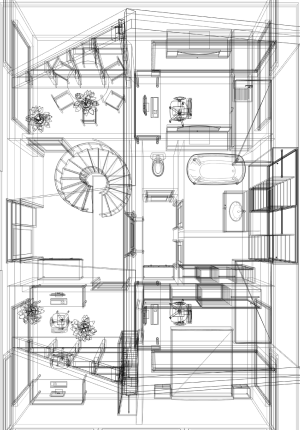
What Does An HVAC Design Engineer Do?

Imagine a building where the indoor air always feels perfect, regardless of the scorching summer heat or the biting winter cold outside. This consistent comfort does not happen by accident; it results from meticulous planning and expert execution by an HVAC design engineer.
These specialized professionals are the architects of indoor climate control systems, ensuring that homes and commercial spaces maintain optimal temperatures, humidity levels, and air quality for occupants. They consider numerous factors, such as building materials, local climate, and occupant needs, to engineer systems that operate efficiently and reliably every day. Let us find out more about their important work.
Key Responsibilities of an HVAC Design Engineer
An HVAC design engineer assumes significant responsibility for crafting the invisible infrastructure that keeps buildings comfortable and healthy for everyone inside. These dedicated professionals conduct thorough analyses of building blueprints, factoring in dimensions, insulation values, window types, and occupant loads to determine precise heating and cooling requirements.
They meticulously select appropriate HVAC equipment, including furnaces, air conditioners, heat pumps, and ventilation systems, to meet the specific demands of each unique project. Furthermore, they design intricate ductwork layouts to ensure proper airflow distribution and minimize energy loss throughout the entire system.
Essential Skills Needed for HVAC Design Engineers
Becoming an effective HVAC design engineer requires a robust combination of technical expertise and practical understanding for successful project execution. They must possess a deep understanding of thermodynamics, fluid dynamics, and heat transfer principles to accurately calculate building loads and design efficient heating, ventilation, and air conditioning (HVAC) systems. Let us look at the necessary skills these engineers must cultivate:
- Technical Proficiency: An HVAC design engineer masters complex calculations, understanding heat loss and gain principles to accurately size heating and cooling systems for various building types. They interpret architectural drawings and mechanical specifications with precision, translating conceptual designs into detailed, executable plans that meet strict industry standards and local building codes. These professionals also possess a strong grasp of building codes and regulations, ensuring all designs comply with safety and efficiency requirements before implementation begins. They continuously update their knowledge on new technologies and sustainable practices, integrating innovative solutions into their designs for optimal performance.
- Problem-Solving Abilities: An HVAC design engineer frequently encounters unique challenges during the design process, requiring sharp analytical and creative problem-solving skills to find effective solutions. They skillfully identify potential issues, such as inadequate airflow or excessive energy consumption, early in the design phase, and implement corrective measures before construction begins. These engineers develop innovative strategies to optimize system performance within budget constraints, often adapting standard approaches to fit specific project needs. They also collaborate with other professionals to integrate HVAC systems seamlessly into overall building designs, resolving interdisciplinary conflicts with thoughtful compromises.
- Communication Skills: An HVAC design engineer clearly articulates complex technical concepts to clients, architects, contractors, and other stakeholders with varying levels of technical understanding. They prepare comprehensive reports and presentations that effectively convey design choices, energy implications, and project timelines to all involved parties in a straightforward manner. These professionals actively listen to client needs and concerns, incorporating feedback into their designs to ensure complete satisfaction with the final system. They also facilitate smooth collaboration among project teams, ensuring everyone understands their roles and responsibilities for efficient project delivery.
Steps Involved in the HVAC Design Process
The HVAC design process typically begins with a thorough assessment of the building’s characteristics and the client’s specific requirements for indoor climate control. Engineers then perform detailed load calculations to determine the precise heating and cooling capacities required to maintain comfortable indoor temperatures year-round.
Following these calculations, they select appropriate HVAC equipment, considering factors such as energy efficiency ratings, noise levels, and available space for installation. The next crucial step involves designing the ductwork and piping systems to ensure optimal airflow and refrigerant distribution throughout the entire building.
Finally, engineers prepare comprehensive construction documents, including drawings and specifications, which guide contractors during the installation phase.
How to Hire the Best HVAC Design Engineer
Selecting the right HVAC design engineer proves essential for ensuring your project achieves optimal energy efficiency and long-term comfort. You need a professional who understands your specific needs and can translate them into a practical, high-performing system. Look for these crucial qualities when making your selection:
- Proven Experience: Select an HVAC design engineer with a strong portfolio that showcases successful projects of similar scope and complexity to your own. They demonstrate a history of delivering efficient and reliable HVAC systems, indicating a thorough understanding of industry best practices and common challenges within the field. Verify their experience with specific building types or system requirements, ensuring they possess the specialized knowledge necessary for your unique project. An experienced engineer also anticipates potential issues, proactively implementing solutions that prevent costly delays and rework during the construction process.
- Relevant Certifications: Prioritize HVAC design engineers who hold recognized industry certifications, demonstrating a commitment to professional excellence and adherence to high standards. These certifications, such as Professional Engineer (PE) licensure or specific HVAC design accreditations, validate their technical expertise and adherence to ethical practices. They often signify specialized training in areas like energy efficiency, indoor air quality, or specific design methodologies, adding further value to their expertise. Certifications also indicate that the engineer stays current with the latest advancements and regulations in the HVAC field.
- Communication Skills: Select an HVAC design engineer who clearly explains complex technical concepts in a straightforward and understandable manner, fostering effective collaboration throughout the project lifecycle. They actively listen to your concerns and project goals, translating your vision into a practical and efficient HVAC system design. Good communicators provide regular updates on project progress, addressing questions and concerns promptly and transparently. Their ability to articulate design choices and justify recommendations helps ensure a smooth and informed decision-making process for everyone involved.
Master Your HVAC Design with ProCalcs Today!
Transform your home comfort with expert HVAC design for homeowners from ProCalcs, guaranteeing an energy-efficient and perfectly sized system tailored to your unique residence. We specialize in comprehensive load calculations using industry-standard methodologies, ensuring your heating and cooling systems operate at peak performance for years to come.
Our precise HVAC design services for contractors provide accurate calculations and detailed plans that streamline your project and minimize costly errors. At ProCalcs, we help you achieve optimal indoor comfort and significant energy savings with our specialized HVAC solutions.